
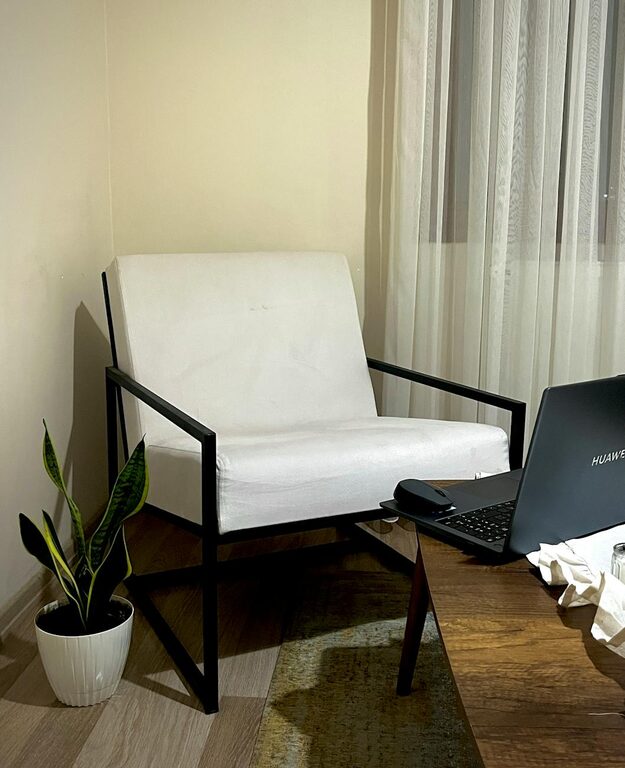
Creating a relaxing home workspace is essential for anyone working remotely or spending a significant amount of time at home. A well-designed area can improve focus, enhance creativity, and reduce stress. Whether you have a dedicated room or just a corner of your living space, these simple tips will help you build a calming, efficient workspace.
Why a Relaxing Workspace Matters
When your workspace feels peaceful and comfortable, you’re more likely to stay motivated and avoid burnout. Stressful or cluttered environments can cause distractions and fatigue, making it harder to complete tasks effectively. A relaxing space helps your mind and body feel at ease, which supports better concentration and overall well-being.
Choosing the Right Location
Find a Quiet Spot
Pick an area in your home with minimal noise and foot traffic. This will help you focus on work without frequent interruptions. If total silence isn’t possible, consider using noise-canceling headphones or white noise machines.
Consider Natural Light
Natural light improves mood and energy levels. Set up your desk near a window if you can. If natural light is limited, use daylight-mimicking lamps for a similar effect.
Space and Size
Make sure you have enough space for your work essentials without feeling cramped. Even small spaces can be transformed into relaxing zones with smart organization.
Comfortable and Functional Furniture
Invest in an Ergonomic Chair
A comfortable, supportive chair is crucial for long hours at the desk. Look for adjustable chairs that promote good posture and reduce strain.
Desk Setup
Choose a desk height that fits your body and allows your forearms to rest parallel to the floor while typing. Sit-stand desks are a great option if you want to alternate between sitting and standing.
Organize Your Workspace
Keep only the items you frequently use on your desk. Use storage solutions like drawers, shelves, or baskets to reduce clutter.
Soothing Colors and Decor
Choose Calming Colors
Soft colors like light blue, green, or earthy tones create a calming atmosphere. Avoid overly bright or harsh colors that can increase stress.
Add Plants
Indoor plants not only improve air quality but also bring a sense of nature indoors. Studies show that greenery can reduce anxiety and boost productivity.
Personal Touches
Include a few meaningful items such as photos, artwork, or motivational quotes. These can make your space feel welcoming without overcrowding it.
Lighting Tips for Comfort
Layered Lighting
Combine overhead lighting with task lights like desk lamps. Adjustable lamps help reduce eye strain during focused tasks.
Avoid Glare
Position screens to avoid reflections from windows or lights. Use screen filters or curtains if needed.
Minimize Distractions
Manage Electronics
Turn off notifications on your phone and computer during work hours to maintain focus.
Declutter Regularly
Take a few minutes each day to tidy your workspace. A clean area helps your mind stay clear.
Incorporate Relaxation Elements
Use Aromatherapy
Subtle scents like lavender or eucalyptus can create a calming environment. Use essential oil diffusers safely.
Comfortable Textiles
Add cushions or a cozy throw to your chair to improve comfort. A soft rug can also make your workspace feel inviting.
Break Area
If possible, designate a small spot near your workspace for short breaks. Use this area to stretch, breathe deeply, or enjoy a cup of tea.
Establish Routine and Boundaries
Set Work Hours
Having clear work hours helps create a balance between productivity and relaxation. Inform others in your home to respect these times.
Take Regular Breaks
Use techniques like the Pomodoro method (25 minutes work, 5 minutes break) to maintain energy and focus.
End-of-Day Ritual
At the end of your workday, shut down your computer and tidy your desk. This signals to your brain that work is done and relaxation can begin.
Final Thoughts
Designing a relaxing home workspace is about creating an environment that supports both comfort and productivity. By paying attention to location, furniture, lighting, and personal touches, you can develop a space where work feels natural and stress is minimized. Remember, your workspace should reflect your unique needs and preferences. Start with small changes and gradually adjust until it becomes your ideal work haven.