
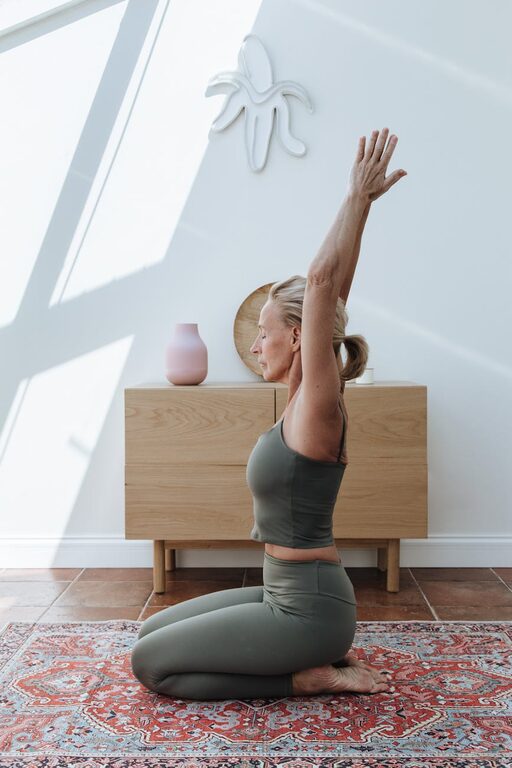
Stretching is a simple yet powerful way to improve your overall health and well-being. Whether you’re an experienced athlete or someone who spends long hours sitting at a desk, incorporating stretching into your daily routine can help reduce muscle tension, increase flexibility, and promote relaxation. The best part? You don’t need any special equipment or a gym membership to get started. This beginner’s guide will walk you through everything you need to know about stretching at home, with easy-to-follow tips and stretches that suit all fitness levels.
Why Stretching Matters
Stretching offers several benefits that extend beyond simply loosening up your muscles. Some of the key advantages include:
– Improved flexibility: Regular stretching helps lengthen muscles and tendons, increasing your range of motion.
– Reduced muscle tension: Stretching can alleviate tightness and reduce discomfort caused by prolonged sitting or repetitive movements.
– Better posture: Stretching muscles around your shoulders, chest, and back supports better alignment.
– Enhanced circulation: Gentle stretches stimulate blood flow, aiding recovery and overall health.
– Stress relief: Stretching often encourages mindful breathing and relaxation, helping to ease mental stress as well.
Getting Started: Tips for Safe Stretching at Home
Before diving into stretches, keep these essential tips in mind to ensure your experience is safe and effective:
- **Warm up first:** Stretch after a light warm-up like walking or marching in place for 3–5 minutes. Stretching cold muscles can increase injury risk.
- **Wear comfortable clothes:** Choose loose or stretchy clothing to avoid restricting movement.
- **Stretch to the point of mild tension:** You should feel a gentle stretch, not pain. Hold each stretch without bouncing.
- **Breathe deeply:** Inhale and exhale slowly to promote relaxation and help your muscles release.
- **Be consistent:** Aim to stretch at least 3 times a week, gradually increasing frequency as you grow comfortable.
- **Listen to your body:** If any stretch causes pain, stop immediately.
Essential Stretches for Beginners
Below are some beginner-friendly stretches targeting key muscle groups. Hold each stretch for 15–30 seconds and repeat 2–3 times.
Neck Stretches
– Side neck stretch: Sit or stand tall. Gently tilt your head toward one shoulder until you feel a stretch on the opposite side of your neck. Switch sides.
– Chin tuck: Lower your chin toward your chest to stretch the back of your neck.
Shoulder and Arm Stretches
– Cross-body shoulder stretch: Extend one arm across your body and use the opposite hand to gently push your arm closer to your chest.
– Overhead triceps stretch: Reach one arm overhead and bend the elbow, trying to touch your upper back. Use the other hand to support the stretch.
Back Stretches
– Seated spinal twist: Sit on the floor with legs extended. Bend one knee and cross it over the opposite leg. Twist your torso toward the bent knee side, using your arm for leverage.
– Cat-Cow stretch: On hands and knees, alternate arching your back upward (cat) and dipping it downward (cow) to mobilize the spine.
Leg and Hip Stretches
– Hamstring stretch: Sit with one leg extended and the other bent. Reach toward your toes on the extended leg, keeping your back straight.
– Hip flexor stretch: Kneel on one knee with the other foot in front, bent at 90 degrees. Push hips forward gently to stretch the front hip.
– Quadriceps stretch: Stand on one leg, pull the opposite foot toward your buttock, pulling gently on the ankle.
Calf and Foot Stretches
– Standing calf stretch: Place your hands against a wall, extend one leg back and press the heel down.
– Toe stretch: Sit and pull your toes upward and downward by hand to relieve foot tension.
Creating a Simple Stretching Routine at Home
You don’t have to spend hours stretching. A short routine lasting 10–15 minutes can be very effective. Here’s a sample sequence for beginners to try:
- Warm up with 5 minutes of light cardio (marching in place or walking).
- Neck stretches – 30 seconds each side.
- Shoulder stretches – 30 seconds each side.
- Back stretches – Cat-Cow (1 minute) and seated twist (30 seconds each side).
- Leg stretches – Hamstring, hip flexor, quadriceps (30 seconds each).
- Calf and foot stretches – 30 seconds each.
Perform this routine in the morning to energize your day or in the evening to unwind and release tension.
Troubleshooting Common Issues
– Feeling pain during stretches? Ease off a bit. Stretching should feel like a gentle pull, not sharp pain.
– Difficulty balancing? Use a wall or sturdy chair for support.
– Busy schedule? Try micro-stretches during breaks—for example, stretch your neck or shoulders for a minute during work.
When to Stretch
Stretching can be done any time during the day, but common windows include:
– After waking up: Helps wake the body.
– Before and after exercise: Prepares and helps your muscles recover.
– During breaks: Counteracts prolonged sitting.
– Before bed: Promotes relaxation and better sleep.
Final Thoughts
Starting a stretching practice at home is a fantastic way to boost your flexibility, reduce muscle stiffness, and improve comfort throughout your day. With just a few minutes daily and some simple stretches, you can build a healthy habit that supports overall wellness. Remember to listen to your body, progress at your own pace, and enjoy the process of feeling more limber and relaxed.
Happy stretching!